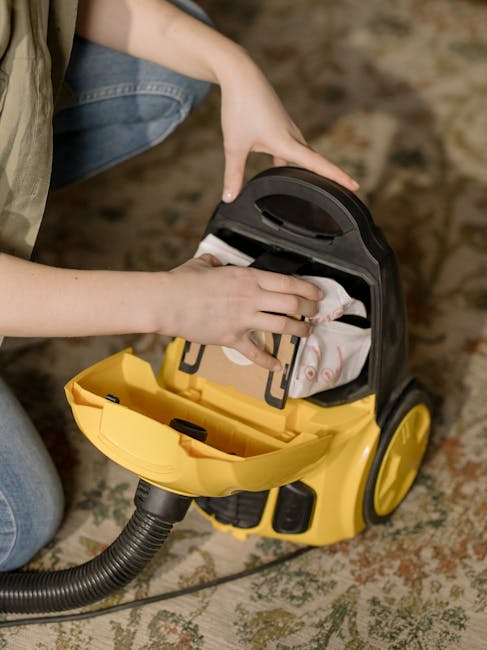
Carpet cleaning Barons Court station West Kensington: a practical guide for fresher floors and better indoor comfort
If you live or work near Barons Court station in West Kensington, carpet cleaning tends to move up the list faster than you expect. A hallway starts looking tired. A living room picks up that faint lived-in smell. Mud from a wet commute, coffee near the sofa, pet hair, post-tenant wear, it all adds up. And once carpets begin holding on to dirt, vacuuming alone stops being enough.
This guide on Carpet cleaning Barons Court station West Kensington explains what professional cleaning actually involves, why it matters in this part of London, how to choose the right approach, and what to expect before and after the job. You will also find a checklist, a comparison table, and straightforward answers to common questions. No fluff. Just useful, local, real-world guidance.
Why carpet cleaning Barons Court station West Kensington matters
Barons Court and the wider West Kensington area have a very particular rhythm. There is commuter footfall, older residential stock, converted flats, and a steady mix of family homes, rentals, and small offices. That combination is exactly where carpets take a beating. Shoes bring in grit from pavements. Shared entrances drag in extra dirt. Ground-floor rooms can collect more dust than you realise. It is the kind of thing you only notice after a proper clean.
Clean carpets are not just about appearances. They affect how a room feels underfoot, how fresh it smells, and how much dust and debris keeps circulating indoors. If you have allergies, pets, or young children, that matters even more. Truth be told, a carpet can look okay and still be carrying a lot of hidden dirt.
There is also the practical side. In rental properties, carpet condition can influence deposit disputes. In homes, regular maintenance helps carpets last longer and stay more even in colour. In offices, cleaner flooring creates a better impression the moment someone walks through the door. Simple, but real.
If you are comparing services, it helps to know what a professional company should offer. A trustworthy carpet cleaning service will usually assess fabric type, stain history, drying expectations, and access conditions before choosing a method. That is the sort of detail that separates a quick rinse from a proper result.
How carpet cleaning Barons Court station West Kensington works
Professional carpet cleaning is usually more methodical than people expect. A good cleaner does not just spray something on the floor and hope for the best. The process normally starts with inspection, then pretreatment, then deep cleaning, and finally extraction or drying. Sounds obvious maybe, but the order matters a lot.
First, the technician checks the carpet fibre. Wool, synthetic, blends, and woven carpets all behave differently. Wool, for instance, can be more sensitive to excessive heat or moisture, so a cautious approach is sensible. Then they identify marks, traffic lanes, pet issues, or spill zones. You can usually tell where the hallway gets the most traffic. The fibres go flat there and look a shade darker.
Most jobs in homes and small offices near Barons Court station use hot water extraction or a low-moisture alternative, depending on the carpet and the drying window. Hot water extraction is often called steam cleaning, although it is not true steam. It involves applying a cleaning solution, agitating where needed, and extracting the loosened soil with powerful vacuum suction.
Low-moisture methods can be useful where drying time is tight, for example in a busy flat or office. They are not a magic fix, but they can be the better choice in the right setting. A reliable deep cleaning approach should always match the room, not the other way round.
After cleaning, carpets should be left to dry with sensible ventilation. Open windows if weather and security allow, keep foot traffic to a minimum, and avoid replacing heavy furniture too early. It sounds basic because it is basic, yet people skip this part and end up with flattened pile or fresh marks from damp furniture feet. Annoying, but avoidable.
Key benefits and practical advantages
The biggest benefit is usually immediate: the room looks brighter. But the real value goes further than the visible change. A properly cleaned carpet can feel softer, hold less grit, and stop that stale, dusty smell from lingering in the room.
- Better appearance: traffic lanes, dull patches, and spill marks are reduced.
- Improved indoor freshness: trapped odours from pets, food, or damp are lifted out.
- Longer carpet life: removing embedded grit helps reduce fibre wear.
- More comfortable rooms: the floor feels cleaner and the whole space tends to look more cared for.
- Helpful for moves and inspections: useful before tenancy handovers or property visits.
There is a quieter benefit too. A freshly cleaned carpet changes how people use the space. You notice it when you take your shoes off and the room no longer feels tired. It is a small thing, but a good one.
If you need a wider refresh, pairing carpet cleaning with sofa cleaning or upholstery cleaning can make the whole room feel more balanced. Clean floors with a grubby armchair nearby just looks half-finished, doesn't it?
Who this is for and when it makes sense
This service makes sense for a lot of people, not just households with visible stains. In fact, some of the best reasons are preventative rather than urgent.
Homeowners often book carpet cleaning when the carpet has lost colour or feels sticky in certain spots. Families with children usually need it more often because spills are simply part of life. Pets make things even more interesting. Lovely pets, but still. Fur, dander, and occasional accidents can settle deep into fibres.
Tenants and landlords use it before move-out or between lets. If the property has been lived in for a while, a deep clean can help restore a neutral, presentable finish. For those situations, it may be useful to look at end of tenancy cleaning as part of the wider handover plan.
Office managers and small business owners often need carpet cleaning for reception areas, meeting rooms, or stairways. These areas get the most public wear. And when visitors arrive, they usually notice the floor before they consciously notice the chairs. Funny how that works.
After builders or renovation projects, carpets may hold fine dust even when the room looks tidy. If that sounds familiar, after builders cleaning can be the sensible broader service, especially when dust has spread beyond the carpet and onto skirting, upholstery, or hard floors.
As a rule of thumb, if vacuuming no longer restores freshness, or if the carpet looks uneven despite regular care, it is probably time to bring in a more thorough clean.
Step-by-step guidance
If you want the process to go smoothly, preparation helps. It saves time, reduces misunderstandings, and improves the final result. Here is a straightforward way to approach it.
- Assess the carpet condition. Look for stains, wear, odour, and fibre type. Note any areas of concern such as stairs, hallways, or under furniture.
- Clear the space where possible. Remove light furniture, small items, and breakables. A cleaner can usually work around some furniture, but the more access they have, the better.
- Ask about the method. Hot water extraction, low-moisture cleaning, and specialist stain treatment all suit different situations. The right method depends on the carpet, not a one-size-fits-all promise.
- Check drying expectations. Ask how long the carpet should stay off-limits and what ventilation is sensible. Planning around the drying window saves hassle later.
- Deal with stubborn stains honestly. Mention them before the job starts. Fresh coffee, old wine, pet marks, gum, paint splashes, it all matters.
- Inspect the result. Once the carpet dries, check the main traffic areas and spots that were pretreated. Some marks lighten a lot, some only partly. That is normal.
One small but useful tip: if the room has both carpet and hard flooring, ask about hard floor cleaning at the same time. Mixed flooring is common in London flats, and a joined-up clean can make the whole place feel calmer.
Also, do not be shy about discussing access. Barons Court station is busy, parking can be awkward, and stair access in older buildings can be tricky. A good provider will plan for that. If they sound surprised by ordinary London logistics, that is a small warning sign already.
Expert tips for better results
After years of seeing carpets come back from the brink, a few habits stand out. None are flashy. All of them help.
- Vacuum slowly before cleaning. A rushed vacuum misses loose debris. Slow passes lift more grit, which means the cleaner can focus on embedded dirt instead of surface fluff.
- Pre-treat traffic lanes. Hallways, entry points, and the front of sofas usually need extra attention.
- Use the right amount of moisture. More water is not automatically better. Too much can slow drying and leave residue behind.
- Blot, do not scrub. Scrubbing can spread a stain and distort the pile. Gentle pressure usually works better.
- Keep furniture feet protected. Small pads or foil tabs can help prevent dye transfer or marks while the carpet dries.
- Book before the carpet is visibly ruined. Waiting too long means soil becomes more compacted and harder to lift.
For domestic settings, it can also make sense to combine carpet care with one-off cleaning if the place needs a broader reset rather than just one floor treatment. That is especially useful after a busy season, a family event, or a long stretch of work-from-home foot traffic. We have all been there.
And yes, if a carpet has one tiny stain in an otherwise decent room, treat the stain early. One small patch left alone often becomes three big ones in your head. It is strange how that happens.
Common mistakes to avoid
Carpet cleaning goes wrong in fairly predictable ways. The good news is that most of them are preventable.
- Using too much detergent. Residue attracts dirt again, so the carpet gets grubby faster than expected.
- Skipping pre-vacuuming. Loose debris can turn into slurry once moisture is added.
- Ignoring fibre type. A delicate wool carpet does not need the same treatment as a hard-wearing synthetic office carpet.
- Walking on the carpet too early. Footprints, compression marks, and new dirt are all avoidable if you wait.
- Hiding stains. It sounds obvious, but some people do not mention old marks until after the clean. That limits what can be done.
- Choosing on price alone. Cheap can be fine, but suspiciously cheap often means rushed work, weak equipment, or unclear expectations.
There is also a less obvious mistake: expecting every stain to vanish completely. Some stains are permanent, some are merely very stubborn, and some respond beautifully. A decent technician should be careful with promises. That honesty is worth a lot.
If you are comparing providers, it is sensible to review pricing and quotes in a way that focuses on what is included, not just the headline number. Pre-treatment, deodorising, furniture moving, and drying guidance can all affect the true value.
Tools, resources and recommendations
You do not need a van full of equipment to keep carpets in good shape between professional visits, but a few sensible tools make a real difference.
| Tool or resource | What it helps with | Practical note |
|---|---|---|
| Good vacuum cleaner | Routine dirt removal and fibre maintenance | Use slow passes and empty the bin or bag regularly |
| Microfibre cloths | Blotting spills without spreading them | Keep a few in a cupboard so you can act quickly |
| Soft brush or carpet rake | Lifting pile after cleaning and before vacuuming | Useful for thicker carpets and stairs |
| Ventilation | Faster drying and less damp smell | Open windows where practical, but keep security in mind |
| Professional assessment | Choosing the right cleaning method | Especially useful for wool, old stains, or delicate fabric |
For homes with soft furnishings, it often helps to think in systems rather than isolated jobs. If the carpet is clean but the sofa still holds odour, the room can still feel off. That is why services such as a professional cleaning company or broader domestic cleaning support can be useful when you want a fuller refresh.
And if your property includes busy entrances or common areas, a little extra attention to window cleaning can improve the overall feel of the room as well. Light coming through cleaner glass changes the mood more than people expect.
Law, compliance, standards and best practice
For carpet cleaning, the most important compliance issue is usually not about a single dramatic rule. It is about safe, sensible working practice. That means using products properly, protecting the carpet fibre, managing slip risk, and respecting access and occupancy arrangements.
In the UK, businesses are generally expected to maintain a safe environment for staff and customers, and cleaners should work in line with their own internal health and safety procedures. For the customer, that usually shows up in ordinary but important ways: clear communication, safe use of equipment, sensible drying advice, and respectful handling of furniture and personal items.
If you are hiring a provider, it is fair to ask about insurance, risk controls, and what happens if an issue arises on site. A trustworthy cleaner should be comfortable discussing that. You can also review insurance and safety details and the company's health and safety policy before booking. That is not being fussy. It is just sensible.
Clear service terms matter too. Drying expectations, access arrangements, cancellation rules, and payment details should be understood in advance. For that, terms and conditions and payment and security information help set proper expectations.
Reputable businesses should also show care around privacy, accessibility, and complaints handling. Those things do not clean carpets directly, of course, but they tell you a lot about how the company works when things are not perfectly smooth, which is most real life.
Options, methods, or comparison table
Different carpet cleaning methods suit different jobs. There is no single winner for every property near Barons Court station. The right choice depends on fibre type, soil level, time available, and how quickly the room needs to be used again.
| Method | Best for | Strengths | Trade-offs |
|---|---|---|---|
| Hot water extraction | General deep cleaning, heavy soil, family homes | Strong soil removal, good for embedded dirt | Longer drying time, needs proper ventilation |
| Low-moisture cleaning | Busy flats, offices, tighter drying windows | Faster turnaround, less moisture | May be less aggressive on deep-set soil |
| Spot treatment | Small, isolated marks | Targets specific stains quickly | Not a substitute for whole-room cleaning |
| Combined room refresh | Properties needing a broader reset | More consistent look across soft furnishings and flooring | Requires a little more planning |
If you are only dealing with one room, a focused clean may be enough. If several rooms are due, combining the work can be more efficient. In some homes, adding rug cleaning is also worthwhile, because a fresh carpet next to a dull rug tends to highlight the mismatch.
For larger properties or mixed-use spaces, keeping the rest of the premises in order matters too. That is where office cleaning or office cleaners can sit alongside carpet care in a broader maintenance plan. Not glamorous, but effective.
Case study or real-world example
A typical local example: a two-bedroom flat near Barons Court station had a hallway carpet that looked fine in photographs but felt gritty underfoot. The tenant had vacuumed regularly, but the flat faced a busy street and the entrance picked up a lot of outside dirt. There was also a faint odour in the living room after winter, probably from closed windows and everyday use.
The cleaner inspected the carpet, identified the heaviest traffic lane, and pretreated the hallway and sitting area before using a deeper extraction process. The result was not magic, and nobody pretended it was. But the pile lifted, the hallway looked lighter, and the room smelled much cleaner once it dried. The tenant then added small mats near the entrance and agreed to a lighter maintenance schedule going forward.
That is the real value in a good clean. It is not just a single reset. It gives you a better starting point for keeping the place in decent shape afterwards. Small changes, but they stack up.
In another case, a compact office close to the station wanted a fresh look before client meetings. The carpet was not ruined, just tired. A focused clean in reception and the main corridor made the whole office feel more polished, especially alongside tidy desks and bright windows. A small improvement, yes, but the kind visitors notice.
Practical checklist
Use this quick checklist before you book or before the cleaner arrives. It saves time and usually improves the outcome.
- Identify the rooms or areas that need cleaning.
- Note the carpet type if you know it.
- List any stains, smells, or damage in advance.
- Move small furniture, ornaments, and loose items.
- Ask how long drying is likely to take.
- Check whether windows can be opened for ventilation.
- Clarify if pre-treatment is included.
- Ask what happens if a stain does not fully lift.
- Confirm access details for flats, offices, or shared buildings.
- Plan foot traffic so the carpet can dry properly.
One more thing: if you are tackling more than the carpet, remember that a wider reset can be more satisfying than doing one thing in isolation. A clean floor next to dusty skirting and streaked glass is a bit like wearing a smart coat with muddy boots. You get the idea.
Get a free quote today and see how much you can save.
Conclusion
Carpet cleaning near Barons Court station in West Kensington is not only about removing visible stains. It is about restoring comfort, keeping a property looking cared for, and making daily life feel a little easier. Whether you are preparing for guests, managing a rental, refreshing an office, or simply trying to get your home back to normal, the right cleaning approach can make a meaningful difference.
The main thing is to choose sensibly. Match the method to the carpet, be clear about access and drying, and do not wait until the damage is deeply set. That is usually where the best results come from.
If you want a cleaner, fresher room without the guesswork, start with the facts, ask the right questions, and work with a company that takes the details seriously. Carpet care is one of those jobs that rewards good timing. And honestly, a properly refreshed room just feels better to come home to.
Frequently Asked Questions
How often should carpets be professionally cleaned near Barons Court station?
It depends on foot traffic, pets, children, and whether the property is residential or commercial. Many people arrange a deep clean once or twice a year, while higher-traffic spaces may need attention more often.
Will carpet cleaning remove every stain?
Not always. Fresh stains respond better than old, set-in marks, and some substances can permanently change the fibre. A good cleaner should tell you honestly what is likely to improve and what may remain faintly visible.
How long does a carpet take to dry after cleaning?
Drying time varies with the cleaning method, ventilation, pile depth, and room temperature. Some carpets dry faster than others, so it is sensible to ask for an estimate before the job begins.
Is hot water extraction better than low-moisture cleaning?
Neither is universally better. Hot water extraction is often stronger for deep soil, while low-moisture cleaning can suit places where fast drying matters. The right choice depends on the carpet and the space.
Can carpet cleaning help with odours?
Yes, especially if the smell comes from trapped dirt, spills, or general everyday use. If odour is caused by a deeper issue such as damp or pet damage, extra treatment may be needed.
Do I need to move the furniture before the cleaner arrives?
Moving small items is helpful, and some larger furniture may need to be shifted too. Always check in advance, because some providers include light furniture moving while others do not.
Is carpet cleaning safe for wool carpets?
It can be, but wool usually needs a more careful approach than synthetic carpet. The cleaner should check fibre type, use suitable products, and avoid unnecessary heat or over-wetting.
What should I do before a carpet cleaner arrives?
Vacuum first if possible, clear loose items, point out stains, and make sure access is easy. It also helps to plan where people can walk while the carpet dries afterwards.
Can carpet cleaning improve indoor air quality?
It can help by removing dust, debris, and allergens trapped in the fibres. It is not a cure-all, but cleaner carpets usually support a fresher indoor environment.
How do I know if a cleaning company is trustworthy?
Look for clear communication, sensible pricing, transparent terms, and proper safety information. It is also wise to check whether they explain their cleaning method and drying process clearly.
What if I need carpet cleaning for a rental move-out?
Book early, note any stains before cleaning, and keep records of what was done. If the rest of the flat needs attention too, end of tenancy cleaning is often the more efficient route.
Can I combine carpet cleaning with other services?
Yes. Many people combine it with sofa care, upholstery work, or a broader home refresh. If the property needs a more complete reset, services like domestic cleaning or house cleaning can make the final result feel much more complete.
Where can I learn more about booking, safety, or service terms?
Useful starting points include about us, complaints procedure, privacy policy, and the company's recycling and sustainability information. Those pages help set expectations before you book.