End of Tenancy Cleaning in W14: A Practical, Detailed Approach for Stress-Free Moving
Moving out of a rented property can be exciting, but it can also be stressful. One of the biggest tasks tenants face is end of tenancy cleaning in W14, especially when they want to secure a smooth handover and avoid unnecessary deductions. Whether you are leaving a flat near Barons Court, a family home in West Kensington, or a studio close to the heart of W14, the final clean matters more than many people expect.
End of tenancy cleaning is not just about making a home look tidy. It is about returning the property to a condition that meets the standards of landlords, letting agents, and inventory checks. In a competitive rental area like W14, where properties are often inspected carefully, a thorough clean can make all the difference. From dusty skirting boards to grease in the kitchen, every detail counts.
This article explores what end of tenancy cleaning in W14 involves, why it matters, what areas need special attention, and how tenants, landlords, and even property managers can benefit from doing it properly. If you are preparing to move, book your service now or make your checklist early so you can leave the property in excellent condition.
Why End of Tenancy Cleaning in W14 Matters

When a tenancy ends, the property is typically checked against the original inventory report. That means any dirt, stains, limescale, or neglected areas may be noted. End of tenancy cleaning in W14 is essential because it helps ensure the property is handed back in a clean and presentable state. This can reduce disputes and support a faster deposit return.
W14 includes a mix of modern apartments, older period homes, and shared rental properties, each with different cleaning demands. A flat with high traffic may need a deep clean of carpets and upholstery, while a converted property may require careful attention to sash windows, fitted appliances, and decorative mouldings. In other words, end of tenancy cleaning is rarely a one-size-fits-all task.
Landlords and agents often expect the property to be cleaned to a professional standard. That does not mean it must be spotless in every sense, but it should be thorough, hygienic, and free from visible dirt. A structured end of tenancy cleaning W14 approach helps meet those expectations while saving time and stress during a busy move.
What End of Tenancy Cleaning Usually Includes
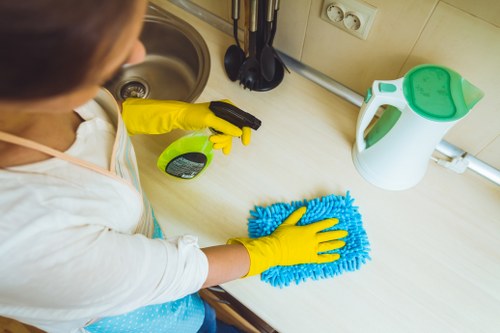
Many tenants are surprised by how detailed end of tenancy cleaning can be. It goes far beyond sweeping floors and wiping counters. A proper service or DIY clean should cover the whole property from top to bottom, including spots that are easy to overlook in day-to-day living.
Typical tasks often include:
- Cleaning inside and outside kitchen cabinets
- Degreasing ovens, hobs, and extractor fans
- Wiping all surfaces, shelves, and ledges
- Removing limescale from taps, sinks, and tiles
- Vacuuming and mopping floors
- Cleaning skirting boards, doors, and handles
- Dusting light fittings, switches, and sockets
- Cleaning windows where accessible
- Sanitising bathrooms, toilets, and shower screens
- Cleaning appliances such as fridges, freezers, and washing machines
In many cases, end of tenancy cleaning in W14 also includes inside cupboards, wardrobes, and storage areas. If the property was furnished, furniture may need to be cleaned and moved carefully to reach hidden dirt. This is one reason why tenants often choose a professional end of tenancy cleaning service rather than trying to do everything alone.
Kitchen Cleaning: The Area That Often Needs the Most Work

The kitchen is usually the most demanding room during end of tenancy cleaning in W14. It collects grease, food splashes, crumbs, steam, and daily residue that build up over time. Even if a kitchen looks acceptable at first glance, closer inspection often reveals stubborn grime in hard-to-reach places.
Common problem areas include the oven, hob, splashback, extractor hood, sink, taps, fridge seals, and cabinet tops. Oven cleaning is especially important because burnt-on residue can quickly stand out in a final inspection. A neglected oven can become one of the most frequent reasons for deductions, so it pays to give it proper attention.
For best results, kitchen cleaning should be done systematically. Start by emptying cupboards, then clean them inside and out. After that, work from the highest points down to the lowest areas so dust and debris do not fall onto already cleaned surfaces. In W14 properties where kitchens are compact, this step-by-step method can make even a small space feel fresh and ready for the next tenant.
Key kitchen tasks to remember
To keep things organised, focus on these priorities:
- Remove all food and personal items before cleaning
- Defrost and wipe out the fridge and freezer
- Scrub the oven, grill tray, and interior glass
- Degrease cupboard fronts and handles
- Clean behind and around appliances if accessible
- Descale taps and polish stainless steel fixtures
Bathroom Cleaning: Hygiene and Detail Go Hand in Hand

Bathrooms require a different type of attention because hygiene is the priority. In end of tenancy cleaning in W14, bathrooms are expected to be free from soap scum, mould, limescale, and unpleasant odours. These issues are common in busy homes, but they must be tackled thoroughly before the property is handed back.
Shower screens, tiles, grout, toilets, sinks, and taps should all be cleaned and disinfected. Limescale is especially visible in hard water areas, so it is worth paying extra attention to taps, shower heads, and glass surfaces. A spotless bathroom gives the impression of a well-maintained property and can help avoid disputes during the check-out inspection.
Mirrors, bathroom cabinets, extractor fans, and towel rails are also easy to forget. End of tenancy cleaning W14 should include these details because agents often inspect them closely. A room that smells fresh, looks bright, and feels sanitised can strongly influence the overall impression of the property.
Small details that make a big difference
These finishing touches matter more than many people realise:
- Polish mirrors until streak-free
- Remove soap residue from shower doors
- Clean behind the toilet and around the base
- Wipe down light switches and shelves
- Check for mould near seals and corners
Bedrooms, Living Rooms, and Hallways
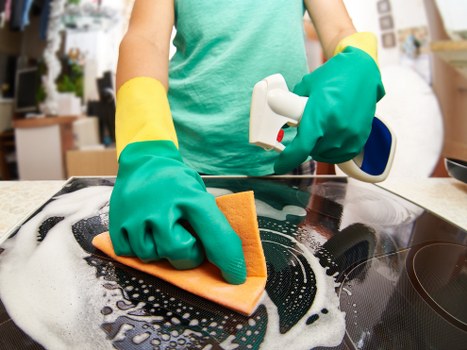
Although kitchens and bathrooms receive the most attention, bedrooms and living areas also matter during end of tenancy cleaning in W14. These rooms are often where dust collects on blinds, skirting boards, wardrobes, and under furniture. A superficial clean is usually not enough if the inventory check includes close inspection.
In bedrooms, focus on wardrobes, drawers, shelving, curtains or blinds, light fittings, and carpets. In living rooms, pay attention to sofas, under radiators, around plug sockets, and along the edges of floors. Hallways are often overlooked too, yet they can show marks from shoes, bags, and moving boxes. A polished hallway makes the whole property feel cleaner at first glance.
Because W14 properties vary from compact flats to larger family homes, each room may need a slightly different method. The best strategy is to clean one room at a time, working from top to bottom and from the least dirty areas to the most demanding ones. That way, you avoid spreading dust and keep the process organised.
Room-by-room priorities
For a more efficient result, use this order:
- Remove clutter and personal belongings
- Dust high surfaces first
- Vacuum soft furnishings and floors
- Wipe doors, handles, and switches
- Check corners, edges, and behind furniture
Carpet, Upholstery, and Floor Care in W14
Flooring can have a major impact on how a property looks during a final inspection. In many rented homes, carpets, laminate, vinyl, or hardwood floors show signs of everyday use. End of tenancy cleaning in W14 should therefore include proper floor care, with attention to stains, dust, pet hair, and marks caused by moving furniture.
Carpets often need deep vacuuming, and in some cases stain treatment or steam cleaning. Upholstered furniture, if included in the tenancy, may also need refreshing. Hard floors should be swept, vacuumed, and mopped, with attention to corners and edges where dirt tends to collect. Skirting boards should be wiped too, because dust often settles there even after floors are cleaned.
If the property has been occupied for a long period, carpets may have compressed dirt that standard vacuuming cannot remove. In that situation, professional carpet cleaning can be a smart addition to end of tenancy cleaning W14. It can improve the appearance of the room and reduce the chance of a cleaning dispute at check-out.
Useful floor-care tips
- Vacuum slowly and in multiple directions for better lift
- Treat stains early to improve results
- Use appropriate products for wood, vinyl, or laminate
- Allow enough drying time before final inspection
How to Prepare for End of Tenancy Cleaning in W14
Good preparation can save hours of effort and make the clean more effective. Before you begin end of tenancy cleaning in W14, remove all rubbish, empty cupboards, and take out personal belongings. A room full of items is much harder to clean properly, and hidden dust is easy to miss when surfaces are crowded.
It is also a good idea to read your tenancy agreement carefully. Some contracts specify exact cleaning expectations, such as professional carpet cleaning or oven cleaning. If those conditions apply, make sure they are completed before the final handover. A quick review of the inventory report can also help you identify areas that need extra care.
For tenants with limited time, creating a room-by-room checklist is a practical way to stay on track. This is especially useful in W14, where move-out dates can be tight and property access may be limited. A clear plan helps prevent last-minute panic and ensures nothing important is missed.
Preparation checklist
- Pack belongings before deep cleaning begins
- Dispose of waste and unwanted items
- Check the tenancy agreement for cleaning clauses
- Test cleaning products on delicate surfaces
- Allow enough time for drying and ventilation
DIY Cleaning or Professional Cleaning?
Many tenants wonder whether they should handle end of tenancy cleaning themselves or hire professionals. The answer depends on time, budget, property size, and the standard required by the landlord or letting agent. A DIY approach can work well if the property is small, lightly used, and the tenant has enough time to do a thorough job.
However, professional end of tenancy cleaning in W14 often provides a higher level of detail. Experienced cleaners know where inspection points are likely to be, and they usually bring the right tools and products for deep cleaning tasks. This can be especially valuable when dealing with tough jobs like oven degreasing, limescale removal, or carpet cleaning.
Another advantage of professional help is consistency. Moving out can be chaotic, and it is easy to underestimate how much work is involved. A trained team can complete the job efficiently, leaving the property in a condition that better matches landlord expectations. For busy tenants, book your service now and reduce the pressure of the final days before moving.
When professional cleaning may be the better choice
- The property is large or heavily furnished
- The tenancy agreement requires a professional finish
- There are stubborn stains or built-up grime
- You are short on time before the move-out date
- You want extra confidence before the final inspection
Common Mistakes Tenants Make During End of Tenancy Cleaning
Even careful tenants can make mistakes when trying to handle end of tenancy cleaning in W14. One of the most common errors is cleaning too quickly and missing hidden areas. Inventory clerks often check inside cupboards, behind appliances, and along edges where dust is easy to overlook. If those areas are ignored, the property may still fail inspection even if the main rooms look tidy.
Another mistake is using the wrong cleaning products. Harsh chemicals can damage surfaces, while weak products may not remove grease or limescale effectively. It is important to choose the right solution for each material, whether it is stainless steel, glass, tile, wood, or fabric. Careful product selection can save time and prevent accidental damage.
Rushing on the final day is another issue. End of tenancy cleaning works best when done in stages, not all at once. Start with the rooms that need the most work and leave enough time for drying, airing, and final checks. In a busy area like W14, where move schedules can be tight, planning ahead is often the difference between a smooth handover and a stressful one.
Frequent mistakes to avoid
- Forgetting high and low areas such as tops of doors and skirting boards
- Ignoring appliances inside and out
- Using too much product and leaving residue behind
- Not checking behind furniture or under beds
- Leaving cleaning until moving day
The Role of End of Tenancy Cleaning in Deposit Protection
A major reason tenants invest time and effort into end of tenancy cleaning in W14 is deposit protection. Most deposits are protected under a tenancy deposit scheme, and deductions can be made if the property is not returned in the expected condition. Cleaning-related deductions are among the most common because they are easy to document during inspections.
To avoid issues, it helps to clean to the same standard, or better, than when you moved in. Comparing the move-in inventory with the current state of the property can reveal the most important areas to address. If the original report notes clean carpets, shiny appliances, and dust-free shelves, then the final clean should aim to match that condition as closely as possible.
Proper end of tenancy cleaning W14 is not just about satisfying a landlord. It is also about protecting your own finances and leaving on good terms. Even if the property is old or well-used, a careful and respectful clean shows responsibility and can help the move-out process finish on a positive note.
Final Checks Before Handing Back the Keys
Once the main cleaning is complete, a final walk-through is essential. This is the stage where small issues are often caught before they become problems. Check the property in natural daylight if possible, because dirt, streaks, and dust are easier to spot. Turn on lights, inspect corners, and look at reflective surfaces from different angles.
Make sure all rubbish has been removed, windows are closed, and appliances are switched off if required. It is also wise to check that every room smells fresh and that no cleaning equipment or personal items have been left behind. In end of tenancy cleaning in W14, these last checks can be just as important as the deep clean itself.
If you have hired professionals, do a quick review against your checklist once the work is done. If you have cleaned the property yourself, take a few extra minutes to inspect the details. A final pass can catch dust on skirting boards, marks on mirrors, or smudges on doors. These small corrections can improve the final result significantly.
Final inspection checklist
- All rooms are empty and cleaned
- Kitchen appliances are spotless
- Bathrooms are disinfected and polished
- Floors are vacuumed and mopped
- Windows, switches, and handles are wiped
- No rubbish or personal belongings remain
Choosing the Right Cleaning Standard for W14 Properties
Different properties in W14 may require different levels of effort, but the expectation is generally the same: the home should be returned in a clean, orderly, and ready-to-let condition. A modern apartment may need fast but detailed surface cleaning, while a larger Victorian conversion may require more time for intricate features and older fittings. The right approach depends on the property’s layout, condition, and how it was used during the tenancy.
It is also worth considering the lifestyle of the tenants who lived there. Homes with children, pets, frequent visitors, or shared facilities often accumulate more dirt and require a deeper clean. That is why end of tenancy cleaning in W14 should be tailored to the property rather than treated as a simple routine tidy-up. A thoughtful, room-specific approach always works better.
Whether you are a tenant trying to protect your deposit, a landlord preparing for new occupants, or a property manager aiming for quick turnaround, high-quality cleaning supports the next stage smoothly. Contact us today if you want the property prepared to a strong standard and handled with care.
Conclusion: A Cleaner Move-Out Starts with the Right Plan
End of tenancy cleaning in W14 is one of the most important parts of the moving process. It helps protect deposits, improves the impression of the property, and reduces stress during the final days of a tenancy. When handled properly, it ensures the home is ready for inspection and leaves little room for disagreement.
From kitchen degreasing and bathroom sanitising to carpet care and final checks, every part of the clean contributes to the overall result. The more organised and thorough the process, the better the outcome tends to be. If the task feels too big to manage alone, professional support can make a real difference and save valuable time.
For tenants and landlords alike, a careful approach to end of tenancy cleaning W14 is an investment in peace of mind. Plan early, work methodically, and do not overlook the details. Book your service now and take the stress out of the handover process.