End of tenancy cleaning Earls Court properties W14
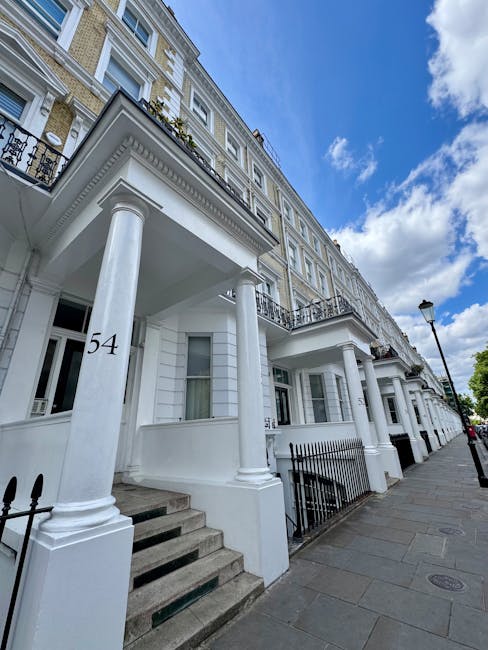
If you are moving out of a flat or house in Earls Court, you already know the feeling: boxes everywhere, the last bin bag half full, and a final walk-through that suddenly matters a lot. End of tenancy cleaning Earls Court properties W14 is the deep, detail-led clean that helps a property meet the standard expected at check-out. Done properly, it reduces stress, supports a smoother handover, and gives you a much better chance of leaving on good terms. Truth be told, this is one of those jobs that looks simple until you start pulling out appliances and checking behind radiators.
In a busy London area like Earls Court, properties tend to have a mix of period features, compact kitchens, older fittings, and a fair amount of daily wear. That means a standard tidy-up usually is not enough. This guide explains what end of tenancy cleaning actually covers, how the process works, what to prioritise, and where people most often get caught out. You will also find a practical checklist, a comparison table, and a realistic example from a typical move-out situation.
Why End of tenancy cleaning Earls Court properties W14 Matters
End of tenancy cleaning is not just about making a place look nice in the morning light. It is about returning the property in a condition that matches the move-in standard, allowing for fair wear and tear. In Earls Court, where landlords and letting agents often manage multiple tenancies across apartments, mansion blocks, and converted buildings, cleanliness is usually checked room by room. That check can be very unforgiving if the kitchen grease, bathroom limescale, or carpet marks are still there.
Let's face it: a newly vacated home shows everything. A dusty skirting board, water spotting on taps, crumbs in an oven seal, or a fingerprint on a skirting panel can become strangely visible once the furniture is gone. That is why a surface wipe is not enough. The aim is a proper reset, not a quick refresh.
It also matters because move-out timing is tight. You may be coordinating removals, meter readings, key return, and a final inspection all in the same day. A structured clean takes one major task off your plate. If you are comparing services, it can also help to look at a broader deep cleaning approach when the property has built up more than everyday dirt.
Expert summary: The best end of tenancy clean is thorough, systematic, and evidence-based. Clean every visible surface, then the hidden trouble spots too - appliance edges, grout lines, inside cupboards, and trim.
How End of tenancy cleaning Earls Court properties W14 Works
A proper move-out clean usually follows a top-to-bottom method. It is not random. First, the property is cleared of personal items so every surface can be accessed. Then the work moves through dry dusting, degreasing, descaling, scrubbing, sanitising, and finishing touches. The point is to tackle dirt in the right order so you are not cleaning the same area twice. Sounds obvious, but people often miss it.
In practice, the clean usually starts in the rooms that need the most detail: kitchen and bathrooms. These areas collect grease, soap scum, water stains, and food residue that are harder to remove if left until last. Bedrooms and living rooms are then handled with dust removal, vacuuming, spot cleaning, and attention to fixtures, fittings, and edges.
For carpets, rugs, sofas, and curtains, a move-out clean may need specialist treatment rather than a general wipe-down. If the flooring is one of the main issues, pairing the clean with carpet cleaning or even rug cleaning can make a real difference to the final presentation. Upholstered furniture can also benefit from upholstery cleaning if stains or odours have settled in.
Most professional teams follow a room-by-room sequence. That tends to include:
- Dusting high and low surfaces
- Cleaning light switches, sockets, handles, and skirting boards
- Degreasing kitchen surfaces and appliances
- Scrubbing bathroom fixtures, tiles, and seals
- Vacuuming and mopping floors carefully
- Checking corners, edges, and hard-to-see areas
- Final inspection and touch-up pass
If the property has seen renovation dust or post-refurbishment mess, after builders cleaning can be a useful supporting service. Not every tenancy needs it, of course, but it becomes relevant surprisingly often in Earls Court conversions and freshly updated flats.
Key Benefits and Practical Advantages
The clearest benefit is peace of mind. When the cleaning has been done properly, you are not standing at the doorway on handover day wondering whether the oven will be judged, or if that one bathroom tile will cause a problem. You can focus on the move itself.
There are also practical advantages:
- Cleaner inspection outcome: A systematic clean reduces the obvious issues agents tend to spot first.
- Better use of your time: Moving is already chaotic. Outsourcing or planning the clean properly keeps the day manageable.
- Less last-minute stress: You are not scrubbing a hob at 10 p.m. with tape on the boxes and no kettle. Been there, and it is never fun.
- Stronger first impression for the next occupant: This matters more than people think. A well-kept property reflects well on everyone involved.
- Potentially fewer disputes: A detailed clean, paired with good evidence and communication, helps reduce arguments over condition.
There is also a subtle but real benefit if you are a landlord or letting manager preparing a property between tenancies: the space is easier to market when it looks fresh and cared for. That first viewing can change how a property feels. A bright kitchen, clean windows, and a floor that does not crunch underfoot - it all helps.
Who This Is For and When It Makes Sense
End of tenancy cleaning Earls Court properties W14 is relevant for tenants, landlords, letting agents, and even homeowners who are leaving a property that has been rented out. It is most sensible when the property has been lived in for more than a short stay, or when there are multiple surfaces and appliances that need detailed attention.
It makes especially good sense in these situations:
- You are ending a tenancy and need the home ready for inspection
- The kitchen and bathroom need more than basic cleaning
- There are carpets, rugs, or upholstery that show wear
- You have limited time between moving out and key return
- The property has been occupied for a longer period and has built-up dirt in corners or fittings
- You want a clearer, more defensible handover condition
For tenants, the timing is usually linked to the final day before key return. For landlords, it often happens right after a tenant leaves, before new photos, re-letting, or maintenance work. For some properties, a broader one-off cleaning service can be a sensible option if the job is not strictly move-out related but still needs a single intensive clean.
It is also worth saying that not every property needs the same level of effort. A studio flat with minimal furnishings is a different story from a two-bedroom maisonette with an older oven, sash windows, and a carpeted hallway. The property decides the workload, really.
Step-by-Step Guidance
If you want the clean to go smoothly, the best thing you can do is follow a clear sequence. Skipping around creates more mess. A simple plan helps enormously.
- Remove all belongings first. Empty cupboards, shelves, wardrobes, and under-bed spaces before serious cleaning starts.
- Open up access points. Pull out movable items where safe, so you can clean behind and underneath them.
- Dust from top to bottom. Start with shelves, picture rails, cabinet tops, and light fittings, then work down to skirting boards and floors.
- Focus on kitchen grease. Degrease hobs, splashbacks, extractor hoods, cupboard fronts, and handles. The oven usually needs its own pass with oven cleaning or a dedicated oven cleaner style treatment.
- Handle the bathroom carefully. Descale taps, shower screens, trays, tiles, and toilet fittings. Check seals for hidden grime.
- Clean glass and reflective surfaces. Mirrors, internal windows, and glossy cabinet fronts show marks quickly.
- Vacuum, mop, and inspect flooring. Use the right method for each surface, especially if there are hard floors that need a gentler approach.
- Do a final walk-through. Check corners, behind doors, around handles, and near radiators. That last look is often where the useful fixes appear.
If you are cleaning a property with hard flooring, a specialist touch can help avoid streaking or residue. In that case, hard floor cleaning is worth considering, especially on finishes that mark easily.
A small but important note: clean light switches and door frames last if possible. They get touched constantly during the move. No point polishing them too early and then carrying boxes through the room.
Expert Tips for Better Results
In our experience, the difference between a decent end of tenancy clean and a truly convincing one is detail discipline. That sounds a bit formal, but it is really just about not cutting corners.
- Work with dry and wet stages separately. Dust first, then damp-clean. Mixing them up spreads grime.
- Use fresh cloths in each main area. A greasy kitchen cloth should not become your bathroom cloth. Obvious, yes, but it happens.
- Check smells as well as stains. Odours from bins, drains, ovens, and upholstery can linger after visible dirt is gone.
- Pay attention to edges. Skirting boards, baseboards, door frames, and the tops of cupboards collect far more dust than people expect.
- Give appliances a proper reset. Inside the fridge, behind the washing machine, and around the cooker are easy to miss.
- Don't rush the drying stage. A surface can look clean and still leave marks if it is not dried neatly.
For softer furnishings, a targeted service such as sofa cleaning or a wider domestic cleaning approach can be useful when a property has built up general lived-in wear. Some rooms need a little more than elbow grease; they need the right method.
And yes, the old toothbrush trick still helps in awkward corners. Nothing glamorous there. Just effective.
Common Mistakes to Avoid
A lot of move-out problems come from familiar mistakes. The good news is that most of them are avoidable.
- Leaving the kitchen until the end. Oven grease and splashback residue take longer than expected.
- Forgetting hidden surfaces. Inside cupboards, behind radiators, and under sinks are standard inspection areas.
- Cleaning around furniture instead of moving it. If the item can safely be shifted, move it.
- Using too much product. More is not better. It can leave film, streaks, or sticky residue.
- Ignoring carpets and edges. Floors are among the first things people notice when they step inside.
- Assuming a quick tidy is enough. It rarely is. End of tenancy cleaning is a deeper standard than everyday housekeeping.
Another common issue is forgetting to document the condition before and after. Even a few date-stamped photos on your phone can help if questions come up later. Not glamorous, but smart.
Tools, Resources and Recommendations
You do not need a warehouse full of equipment, but the right tools make the job much easier. For most tenancy cleans, the essentials are straightforward:
- Microfibre cloths
- Non-scratch sponges
- Vacuum cleaner with attachments
- Mop and bucket
- Degreasing cleaner suitable for kitchens
- Bathroom descaler
- Glass cleaner or streak-free equivalent
- Scraper or safe blade tool for built-up residue, used carefully
- Rubber gloves
- Waste bags and a simple sorting system for rubbish and recyclables
If there is packaging, old furniture, or leftover clutter to remove before cleaning even starts, a separate house clearance style service may be worth looking at. That can be especially helpful when a tenancy ends with more stuff left behind than expected. It happens. More than you would think.
When comparing service providers, look at the practical side rather than just the headline promise. Ask whether the process includes kitchens, bathrooms, internal windows, skirting boards, and hard-to-reach areas. If carpets, windows, or specialist surfaces matter in your property, ask about window cleaning and matching surface care too.
Law, Compliance, Standards, or Best Practice
In the UK, the exact cleaning standard required at the end of a tenancy depends on the tenancy agreement, the property condition at the start, and the reasonable expectation of fair wear and tear. It is usually not about making the home look brand new. It is about returning it to a comparable standard of cleanliness.
Best practice usually includes:
- Cleaning to a level consistent with the original inventory or check-in condition
- Avoiding damage while cleaning, especially to painted surfaces, seals, and delicate fixtures
- Using safe products and sensible handling for chemicals
- Keeping communication clear between tenant, landlord, and agent
- Documenting the final condition where possible
For providers, proper insurance and safety arrangements matter too. If you are hiring help, it is fair to check whether the company explains its insurance and safety approach clearly and operates with sensible health and safety practices. That is not just paperwork. It is what protects everyone when something awkward happens, like a spill on a delicate floor or access issues in a tight stairwell.
It can also help to review service terms, payment details, and complaint handling before booking. Transparent pricing and quotes, clear payment and security information, and understandable terms and conditions are all signs of a more trustworthy setup. Small thing? Maybe. But in service work, small things are usually the big things.
Options, Methods, or Comparison Table
Not every move-out clean needs the same approach. Here is a simple comparison that helps you decide what fits your situation.
| Approach | Best for | Pros | Trade-offs |
|---|---|---|---|
| DIY end of tenancy clean | Smaller properties, low build-up, flexible schedules | Lower direct cost, full control over timing | Time-consuming, easy to miss detail areas, physically demanding |
| Professional end of tenancy cleaning | Busy moves, larger homes, stricter handover expectations | Structured, thorough, less stress, better coverage of hard-to-reach areas | Higher upfront cost, needs booking time |
| Hybrid approach | When you can do basic prep but need help with specialist tasks | Cost-balanced, targeted support, efficient use of time | Requires good coordination and clear task split |
For many Earls Court properties, the hybrid route is surprisingly sensible. You handle decluttering, bin emptying, and basic surface clearing, while specialist attention goes to the oven, carpets, or bathrooms. That way, you are not paying someone to remove three bags of recycling, and you are not left scrubbing limescale at the last minute either.
Case Study or Real-World Example
A typical example: a two-bedroom flat near the station, occupied for a couple of years, with a compact kitchen, tiled bathroom, and wool carpet in the living room. The tenant had packed everything up but left the place with everyday wear - a greasy hob, marks around handles, dust on the top shelf of wardrobes, and a patchy carpet where the sofa had sat.
The first pass focused on removing loose dust and debris. After that came kitchen degreasing, bathroom descaling, and careful cleaning of skirting boards and internal glass. The oven took the longest, which is fairly normal. The carpet was then treated separately so the room felt fresher, not just visibly cleaner. By late afternoon, the flat looked calmer. Cleaner, brighter, less tired.
What made the difference was not one dramatic trick. It was the order of the work. The clean moved from dry areas to wet areas, from obvious surfaces to detail points, and then to final inspection. That final pass caught a dusty blind cord and a mark near a cupboard hinge. Tiny thing, but exactly the kind of tiny thing that can matter during handover.
That sort of outcome is common when the plan is sensible and the expectations are realistic. Not a magic wand. Just good method.
Practical Checklist
Use this checklist before your final handover.
- All personal belongings removed
- Bins emptied and waste sorted
- Kitchen cupboards cleaned inside and out
- Oven, hob, extractor, and splashback cleaned
- Fridge, freezer, microwave, and other appliances wiped
- Bathroom tiles, taps, mirrors, and seals cleaned
- Skirting boards, door frames, and switches wiped
- Windows, sills, and internal glass cleaned
- Carpets vacuumed or professionally treated if needed
- Hard floors mopped and checked for residue
- Light fittings and vents dusted
- Final inspection photos taken
- Keys, manuals, and any agreed items ready to return
One small tip: do the checklist once in daylight and once in the evening if you can. Different light shows different things. Dust loves that little trick, annoyingly.
Conclusion
End of tenancy cleaning Earls Court properties W14 is really about control, clarity, and a proper finish. When the property is cleaned methodically, the handover feels easier and the place simply presents better. That matters whether you are moving out of a compact flat, preparing a family home, or getting a rental ready for the next person.
The best results come from a realistic plan: clear the space first, clean in the right order, give special attention to kitchens, bathrooms, floors, and hidden edges, and do a careful final check. If the job feels too large for the time you have, bringing in structured support can save a lot of stress. Either way, the aim is the same - leave the property tidy, calm, and ready for what comes next.
Get a free quote today and see how much you can save.
And if you are in the middle of a move, take a breath. It is a hectic day, but it does pass. A good clean makes the ending feel a little more settled, and that counts for a lot.
Frequently Asked Questions
What does end of tenancy cleaning usually include?
It usually includes a full clean of kitchens, bathrooms, floors, internal glass, surfaces, cupboards, fixtures, fittings, and often specialist attention to ovens, carpets, and stubborn marks. The exact scope depends on the property and what needs attention.
Is end of tenancy cleaning different from regular domestic cleaning?
Yes. Domestic cleaning maintains a lived-in home, while end of tenancy cleaning is more intensive and detail-driven. It focuses on moving the property back to a handover standard rather than just keeping it tidy week to week.
Do I need professional cleaning to get my deposit back?
Not always, but you do need the property cleaned to the required standard in your tenancy agreement. Many tenants choose professional help because it reduces the risk of missed areas and last-minute stress. To be fair, it is easier than trying to do everything after moving boxes all day.
How long does a tenancy clean take in a typical Earls Court flat?
It depends on the size, layout, and condition of the property. A small flat may take less time, while a larger home with built-up grime, carpets, or appliances needing extra attention will take longer. Age and layout matter more than people think.
Should I clean the oven myself or book a specialist service?
If the oven has light residue, you may be able to handle it yourself. If there is baked-on grease, smoke staining, or thick carbon build-up, a specialist oven cleaning approach is usually more effective and less frustrating.
What are the most commonly missed areas during a move-out clean?
People often miss skirting boards, cupboard tops, extractor hoods, handles, hinges, behind radiators, light switches, seals, and the edges of flooring. These are exactly the areas that can stand out during inspection.
Can carpets affect the result of a tenancy inspection?
Yes. Visible stains, heavy soiling, or lingering smells can make the property feel less clean even if the rest of the rooms are spotless. That is why carpet cleaning is often part of a fuller move-out plan.
What if my tenancy agreement only asks for a clean, not a professional clean?
Then the key issue is the final standard, not the label. You can clean the property yourself if you can achieve the required level. The safest approach is to compare the property's condition with the check-in record and clean accordingly.
Do landlords have to allow for fair wear and tear?
In general, yes. Fair wear and tear is a normal part of living in a property. Cleaning expectations should not be confused with replacing items that have simply aged through ordinary use.
What should I do before a cleaner arrives?
Remove all belongings, defrost appliances if needed, empty cupboards, bag rubbish, and make sure access is clear. That makes the clean faster, more efficient, and far less awkward. Nobody enjoys cleaning around half-packed moving boxes.
What if the property has been empty for a while and is dusty rather than dirty?
Then a lighter but still thorough clean may be enough, though windows, sills, ledges, and floors often need extra attention because settled dust can be surprisingly stubborn. A one-off cleaning style service may suit this type of situation.
How can I tell if a cleaning company is trustworthy?
Look for clear service descriptions, transparent pricing, sensible safety information, and a straightforward complaints process. A company that explains its approach to about us, insurance and safety, and complaints handling is usually giving you a better signal than vague promises ever could.